How Freight Forwarding Works: From China to Your Doorstep
Introduction
Freight forwarding plays a vital role in international trade, ensuring your products travel safely from the supplier to your warehouse or store. Whether you’re a new importer or scaling your business, understanding how freight forwarding works helps you plan better and avoid unexpected delays or costs. Here’s a simple breakdown of the freight process from China to your doorstep.
1. What is Freight Forwarding?
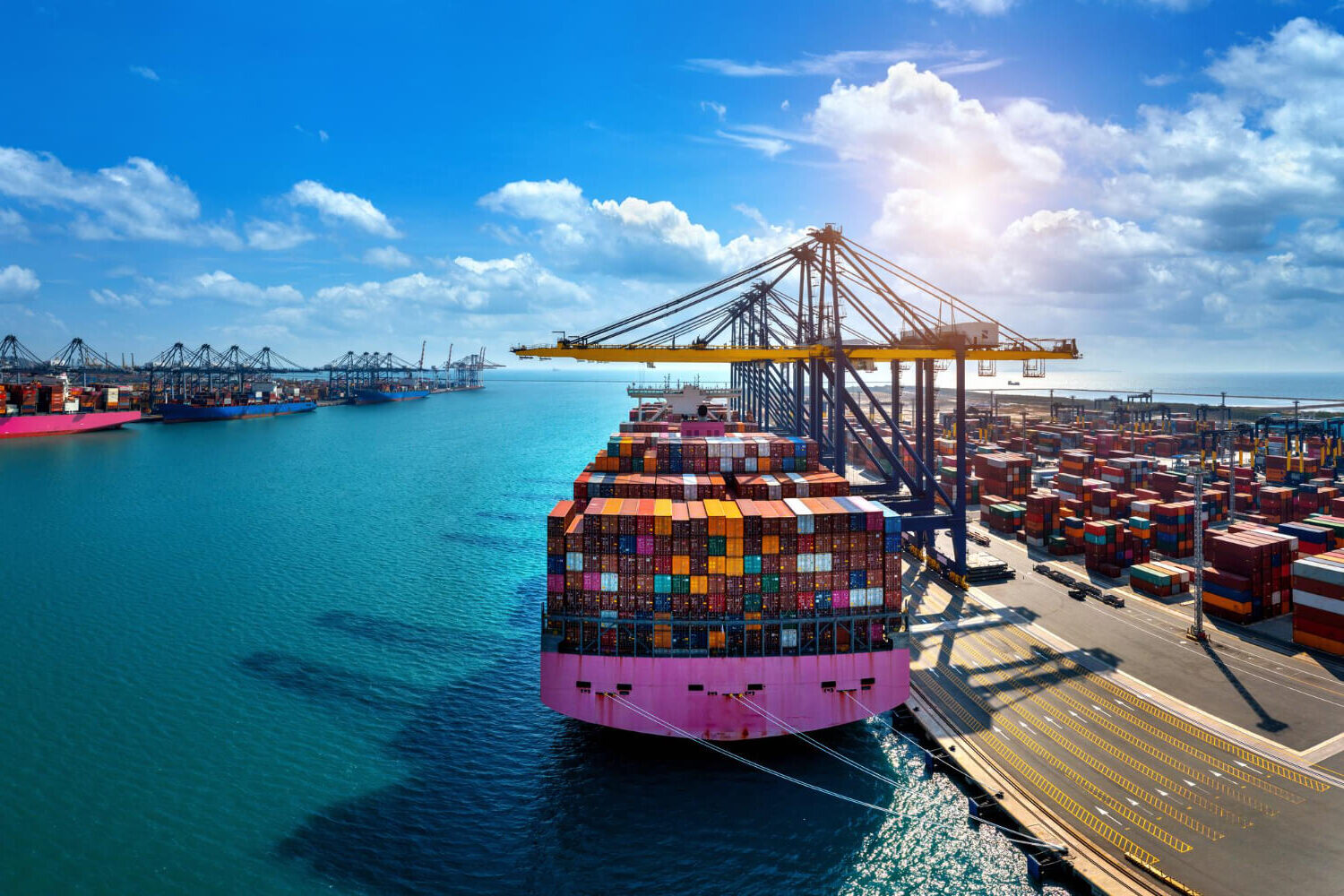
Freight forwarding involves coordinating the shipment of goods from one country to another using air, sea, or land transport. Freight forwarders act as logistics experts, managing documentation, transportation, customs clearance, and delivery to ensure your products arrive safely and on time.
2. Booking Your Shipment
Once your supplier completes production, the freight forwarder arranges transport. They decide the best shipping method based on:
✅ Air Freight: Best for urgent, lightweight, or high-value goods needing fast delivery.
✅ Sea Freight: Ideal for bulk shipments and heavy goods with flexible delivery timelines.
3. Consolidation and Warehousing
If you have small orders from multiple suppliers, your freight forwarder can consolidate shipments into one container to reduce costs. Goods are collected and stored in a warehouse before final dispatch.
4. Export Documentation and Customs Clearance
Your freight forwarder prepares all required export documents including invoices, packing lists, and bills of lading. They manage export customs clearance in China to ensure your shipment leaves the country smoothly.
5. Shipping and Transit
✅ Air Freight:
Takes approximately 3-7 days depending on routes and customs processes.
✅ Sea Freight (FCL or LCL):
Can take 20-45 days depending on shipping schedules, transits, and port congestion.
6. Import Customs Clearance
When your goods arrive in your country, they go through import customs clearance. Your freight forwarder or customs broker prepares the necessary documents and pays duties or taxes to clear your shipment legally and quickly.
7. Last-Mile Delivery
Once cleared from customs, your products are transported from the port or airport to your final destination, such as your warehouse, store, or fulfillment center. This is known as last-mile delivery and is coordinated to ensure timely arrival.
8. Why Use a Freight Forwarder?
✅ Expertise in Logistics Management
Handle complex shipping routes, documentation, and regulations with ease.
✅ Cost Efficiency
Optimise shipping costs through consolidation and route planning.
✅ Peace of Mind
Focus on your business while your logistics are managed professionally.